mirror of
https://github.com/SpartanJ/eepp.git
synced 2026-05-29 09:36:29 +03:00

735 lines
30 KiB
Markdown
735 lines
30 KiB
Markdown
|
|
# eepp - Entropia Engine++
|
|
|
|
**eepp** is an open source cross-platform game and application development
|
|
framework heavily focused on the development of rich graphical user interfaces.
|
|
|
|
[](https://github.com/SpartanJ/eepp/actions?query=workflow%3ALinux)
|
|
[](https://github.com/SpartanJ/eepp/actions?query=workflow%3AWindows)
|
|
[](https://github.com/SpartanJ/eepp/actions?query=workflow%3AmacOS)
|
|
[](https://github.com/SpartanJ/eepp/actions?query=workflow%3AiOS)
|
|
[](https://github.com/SpartanJ/eepp/actions?query=workflow%3AAndroid)
|
|
|
|
## Features
|
|
|
|
### Cross platform functionality
|
|
|
|
* Official support for Linux, Windows, macOS, FreeBSD, Haiku, Android and iOS.
|
|
|
|
* Exports to HTML5 using emscripten with some minor limitations.
|
|
|
|
### UI Module
|
|
|
|
* Base widgets to manage the app/game objects as nodes, with all basic input interaction events ( clicks, keypress, mouser over, focus, etc ).
|
|
|
|
* Fully featured UI system, animation support, scaling, rotating, clipping, events, messages, etc.
|
|
|
|
* Themes and skins/decorations support.
|
|
|
|
* Pixel density support ( scaling of UI elements defined by the pixel density of the screen ).
|
|
|
|
* All the basic widgets are implemented ( button, textbox, combobox, inputbox, menu, listbox, scrollbars, etc ).
|
|
|
|
* Draw invalidation support. It can be used to make real apps, with low resource usage ( only redraws when is needed ).
|
|
|
|
* Layout system similar to Android layouts ( LinearLayout, RelativeLayout, GridLayout ).
|
|
|
|
* Advanced features as text selection, copy and paste, and key bindings.
|
|
|
|
* Load and style layouts from XMLs
|
|
|
|
* Styling with Cascading Style Sheets
|
|
|
|
### Graphics Module
|
|
|
|
* Renderers for OpenGL 2 ( fixed-pipeline ), OpenGL 3 ( programmable-pipeline ), OpenGL ES 2, OpenGL ES 1, and OpenGL Core Profile.
|
|
|
|
* Batch Renderer ( all the rendering is automatically batched by the engine ).
|
|
|
|
* Fonts support ( TrueType, BMFont and XNA Fonts ).
|
|
|
|
* Frame Buffer support.
|
|
|
|
* Shaders support ( with automatic fixed pipeline shaders to programmable conversor ).
|
|
|
|
* Vertex Buffer Object support.
|
|
|
|
* Particle System.
|
|
|
|
* Extendable Console.
|
|
|
|
* Animated Sprites.
|
|
|
|
* Texture Atlas support ( automatic creation and update of the texture atlas, editor included ).
|
|
|
|
* Clipping Masks ( stencil, scissors, planes )
|
|
|
|
* Nine Patch resizable bitmaps support.
|
|
|
|
* Primitives drawables.
|
|
|
|
* Many image formats supported ( included rasterized SVG ), compressed textures support ( direct upload to the GPU when possible ).
|
|
|
|
### Window Module
|
|
|
|
* Backend based module, this means that you can easily create a backend for the window/input handling.
|
|
|
|
* Currently supports SDL 2 as backend.
|
|
|
|
* Clipboard support.
|
|
|
|
* Hardware cursors.
|
|
|
|
* Display Manager
|
|
|
|
* Joystick support.
|
|
|
|
### Audio Module
|
|
|
|
* OpenAL audio engine with extendable file format support. Read and write support for OGG and Wav, and read support for MP3 and FLAC.
|
|
|
|
### System Module
|
|
|
|
* Provides all the basics stuffs for the full multi-threading support of the library, file formats support for packing, clocks, resource manager, translator, and much more.
|
|
|
|
* Virtual File System class ( abstract assets providers into a single virtual file system, abstracting zip files and local file system into one for transparent load of resources, similar to [PhysicsFS](https://www.icculus.org/physfs/) ).
|
|
|
|
### Core Module
|
|
|
|
* Customizable Memory Manager. Used by default in debug mode to track memory leaks.
|
|
|
|
* UTF8, UTF-16, UTF-32, Ansi, Wide Char support.
|
|
|
|
* String class using UTF-32 chars internally.
|
|
|
|
* Debug macros
|
|
|
|
### Math Module
|
|
|
|
* General purpose functions and templates ( vector, quad, polygon, etc ).
|
|
|
|
* Interpolation classes with easing.
|
|
|
|
* Some minor math utilities, include Mersenne Twister random number generator implementation, perlin noise and more.
|
|
|
|
### Network Module
|
|
|
|
* Web Requests with HTTP client, with **TLS support** ( provided by mbedtls or openssl ).
|
|
|
|
* Asynchronous HTTP requests.
|
|
|
|
* File Transfers with FTP client and FTPS client ( FTP with explicit TLS ).
|
|
|
|
* TCP and UDP sockets.
|
|
|
|
* HTTP Content-Encoding and Transfer-Encoding support.
|
|
|
|
* HTTP Proxy Support.
|
|
|
|
* HTTP Compressed response support.
|
|
|
|
* Also HTTP resume/continue download support and automatic follow redirects.
|
|
|
|
### Scene Module
|
|
|
|
* Node based system for easy management of scenes.
|
|
|
|
* Full control of node events ( clicks, mouse over, focus, etc ).
|
|
|
|
* Event system.
|
|
|
|
* Node Message system.
|
|
|
|
* Programmable actions for nodes ( fade, rotate, move, scale, etc ).
|
|
|
|
### Physics Module (optional)
|
|
|
|
* Full OOP chipmunk physics wrapper.
|
|
|
|
### Maps Module (optional)
|
|
|
|
* Tiled Maps with software dynamic lights.
|
|
|
|
* Full featured map editor.
|
|
|
|
### Tools
|
|
|
|
* Very simple UI Editor. Load layouts from an XML file and see the changes being made in real time.
|
|
|
|
* Texture Atlas Editor. A very simple tool to allow the developer to create and edit texture atlases.
|
|
|
|
* Map Editor: A advanced but simple map editor for the game engine. It lacks several features since I didn't have the time to work on it, this particular tool will probably die in favor of TMX map support in the near future ( but i'm not a fan of TMX maps, so there's no decision for the moment ).
|
|
|
|
### General Features
|
|
|
|
* Support for multi-threaded resource loading ( textures, sounds, fonts, etc ).
|
|
|
|
## Documentation
|
|
|
|
Documentation is located [here](https://cdn.ensoft.dev/eepp-docs/index.html). I'm currently working
|
|
on improving it. About 50% of the project is currently documented so still needs
|
|
a lot of work. Please check the code examples located in `src/examples` and you
|
|
can also check out the test ( `src/test` ) and tools ( `src/tools` ).
|
|
|
|
I'm putting my efforts on improving the documentation on the UI module since
|
|
currently is the most important and complex module but lacks of proper
|
|
documentation. If you have any question you can contact me anytime.
|
|
|
|
## Getting the code
|
|
|
|
The repository uses git submodules so you'll need to clone the repository and
|
|
its submodules, in order to achieve this easily you can simply clone with:
|
|
|
|
`git clone --recurse-submodules https://github.com/SpartanJ/eepp.git`
|
|
|
|
## UI Screenshots
|
|
|
|
### ecode - Code Editor
|
|
|
|
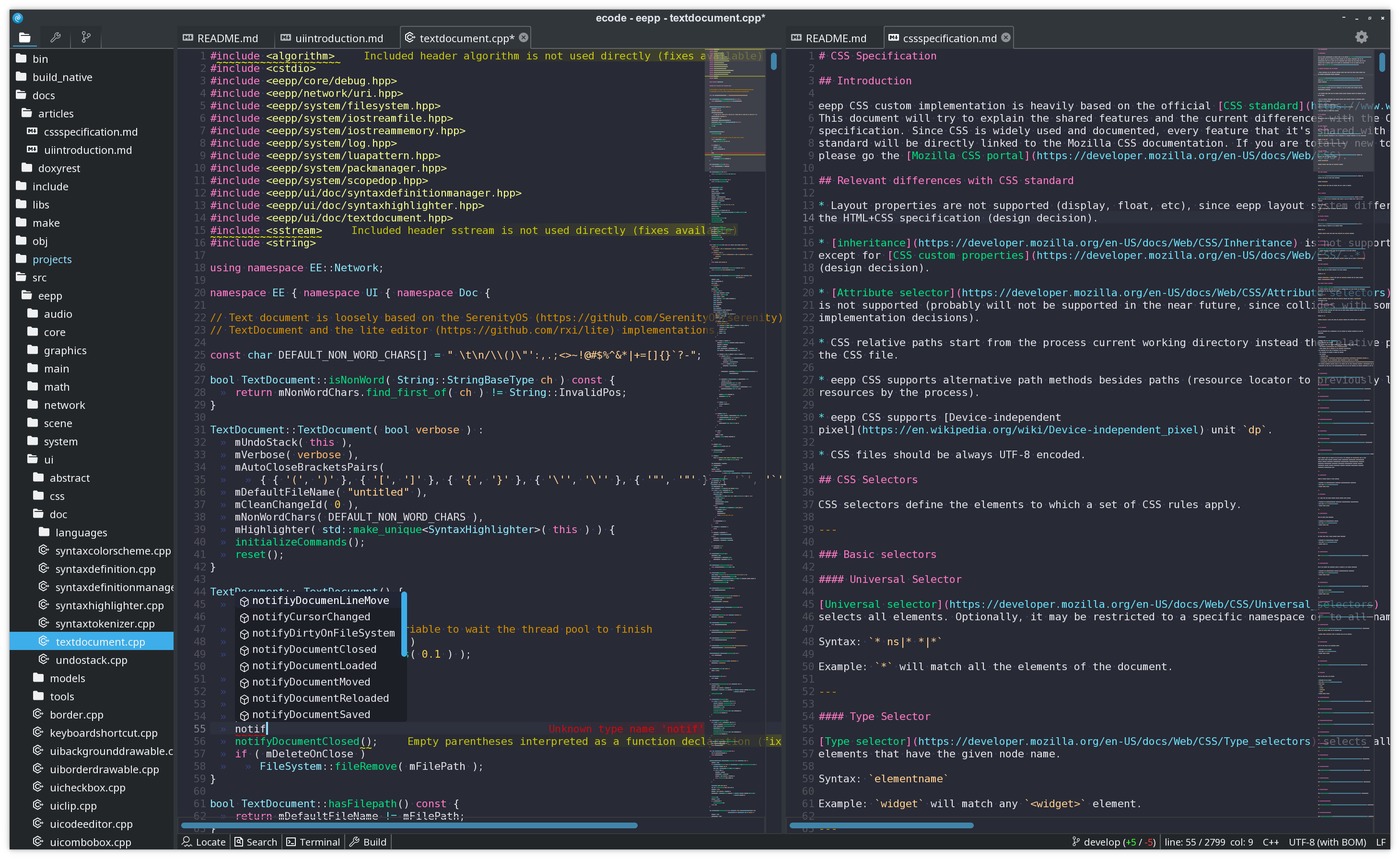
[ecode](https://github.com/SpartanJ/ecode/) is a code editor inspired in [lite](https://github.com/rxi/lite).
|
|
It's using the newest pure CSS theme based on the default [Plasma](https://kde.org/plasma-desktop)
|
|
dark theme: [Breeze Dark](https://github.com/KDE/breeze).
|
|
|
|
|
|
|
|
### UI Editor
|
|
|
|
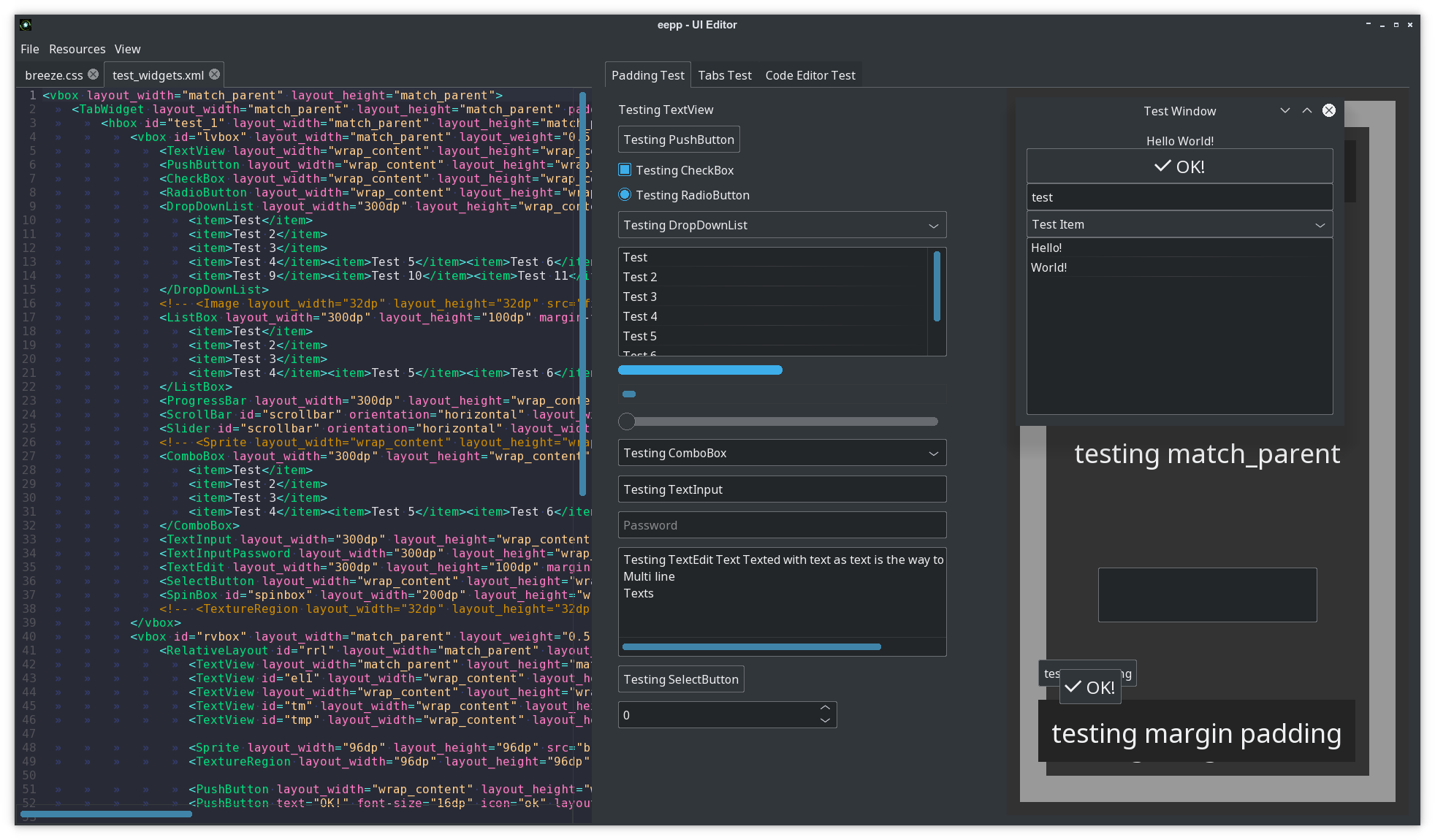
Editor that displays in real-time the changes on any layout and CSS to help speed up the development
|
|
of user interfaces. In the screenshot is displaying some of the default widgets available in eepp.
|
|
|
|
|
|
|
|
### Texture Atlas Editor
|
|
|
|
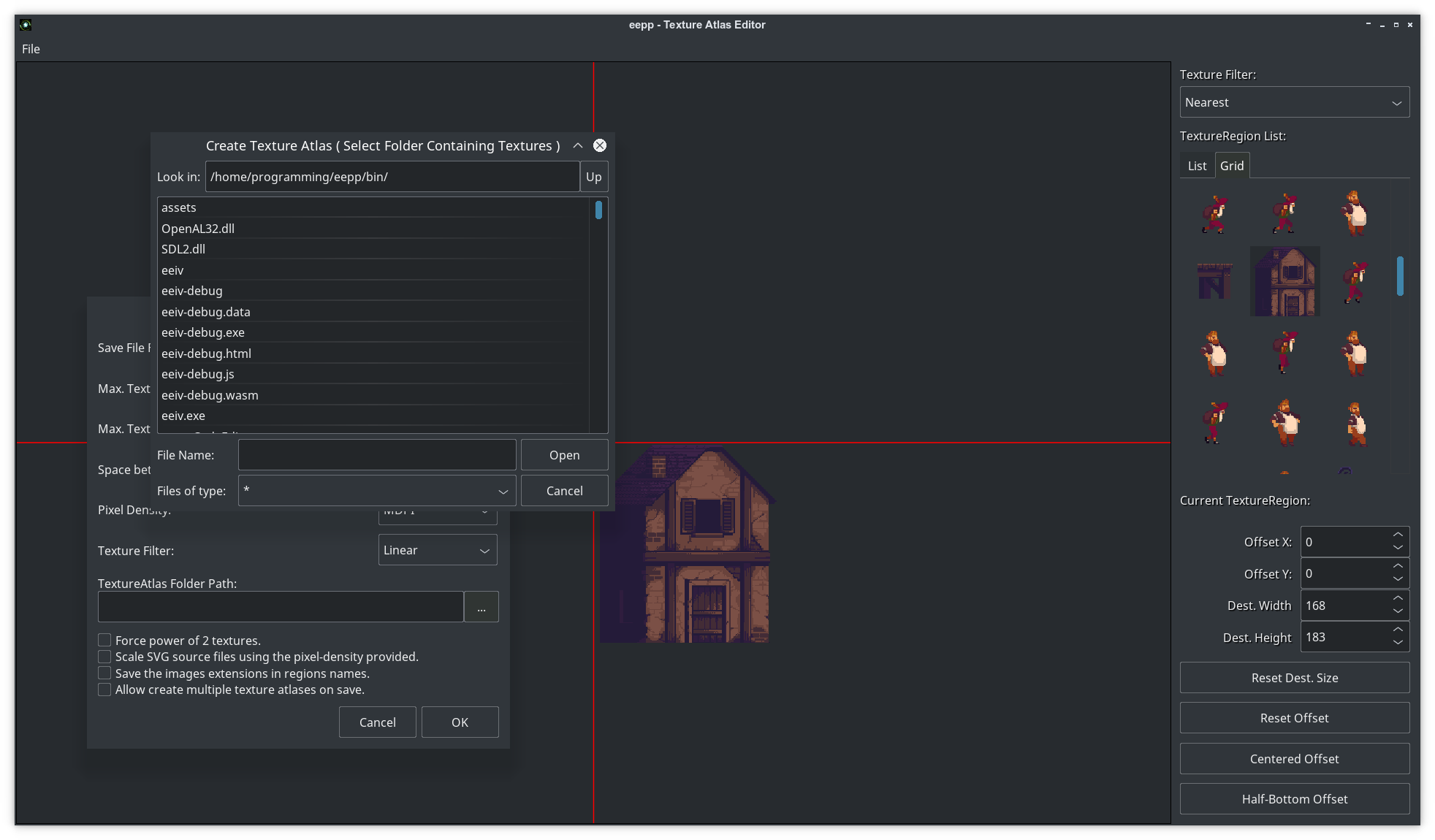
Small tool, used to create and edit texture atlases.
|
|
|
|
|
|
|
|
### Map Editor
|
|
|
|
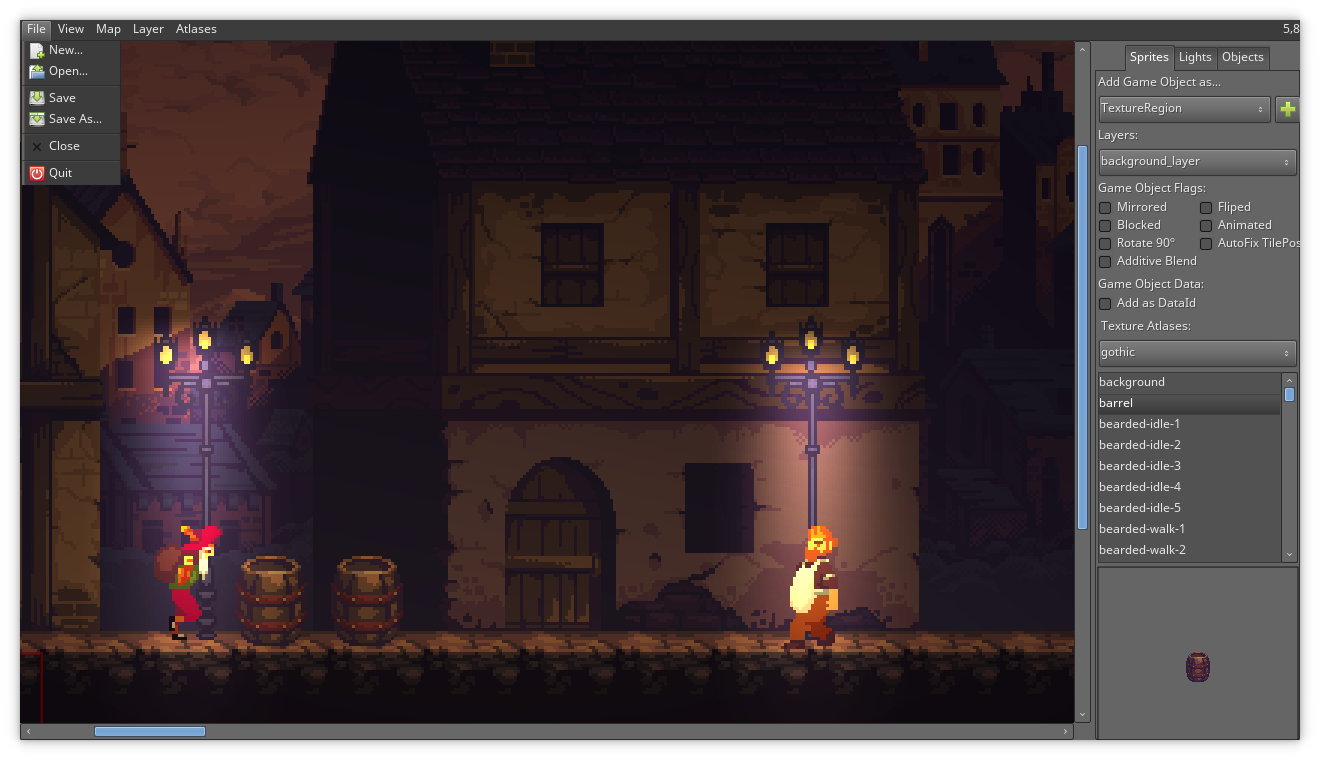
2D map editor using the default skinned theme (using a single texture atlas with 9-patch images).
|
|
|
|
|
|
|
|
## UI Layout XML example
|
|
|
|
It should look really familiar to any Android developer. This is a window with
|
|
the most basic widgets in a vertical linear layout display.
|
|
|
|
```xml
|
|
<window layout_width="300dp" layout_height="300dp" window-flags="default|maximize|shadow">
|
|
<LinearLayout id="testlayout" orientation="vertical" layout_width="match_parent" layout_height="match_parent" layout_margin="8dp">
|
|
<TextView text="Hello World!" gravity="center" layout_gravity="center_horizontal" layout_width="match_parent" layout_height="wrap_content" backgroundColor="black" />
|
|
<PushButton text="OK!" textSize="16dp" icon="ok" gravity="center" layout_gravity="center_horizontal" layout_width="match_parent" layout_height="wrap_content" />
|
|
<Image src="thecircle" layout_width="match_parent" layout_height="32dp" flags="clip" />
|
|
<Sprite src="gn" />
|
|
<TextInput text="test" layout_width="match_parent" layout_height="wrap_content" />
|
|
<DropDownList layout_width="match_parent" layout_height="wrap_content" selectedIndex="0">
|
|
<item>Test Item</item>
|
|
<item>@string/test_item</item>
|
|
</DropDownList>
|
|
<ListBox layout_width="match_parent" layout_height="match_parent" layout_weight="1">
|
|
<item>Hello!</item>
|
|
<item>World!</item>
|
|
</ListBox>
|
|
</LinearLayout>
|
|
</window>
|
|
```
|
|
|
|
**UI introduction can be found [here](https://cdn.ensoft.dev/eepp-docs/page_uiintroduction.html)**.
|
|
|
|
## UI Widgets with C++ example
|
|
|
|
How does it look with real code?
|
|
|
|
```cpp
|
|
UITextView::New()->setText( "Text on test 1" )
|
|
->setCharacterSize( 12 )
|
|
->setLayoutMargin( Rect( 10, 10, 10, 10 ) )
|
|
->setLayoutSizePolicy( SizePolicy::MatchParent, SizePolicy::WrapContent )
|
|
->setParent( layout );
|
|
```
|
|
|
|
## UI Styling
|
|
|
|
Element styling can be done with a custom implementation of Cascading Style
|
|
Sheets, most common CSS2 rules are available, plus several CSS3 rules (some
|
|
examples: [animations](https://developer.mozilla.org/en-US/docs/Web/CSS/CSS_Animations/),
|
|
[transitions](https://developer.mozilla.org/en-US/docs/Web/CSS/CSS_Transitions),
|
|
[custom properties](https://developer.mozilla.org/en-US/docs/Web/CSS/Using_CSS_custom_properties),
|
|
[media queries](https://developer.mozilla.org/en-US/docs/Web/CSS/Media_Queries/Using_media_queries),
|
|
[@font-face at rule](https://developer.mozilla.org/en-US/docs/Web/CSS/@font-face),
|
|
[:root element](https://developer.mozilla.org/en-US/docs/Web/CSS/:root)).
|
|
Here is a small example on how the CSS looks like:
|
|
|
|
```css
|
|
@font-face {
|
|
font-family: "OpenSans Regular";
|
|
src: url("https://raw.githubusercontent.com/SpartanJ/eepp/develop/bin/assets/fonts/OpenSans-Regular.ttf");
|
|
}
|
|
|
|
@import url("assets/layouts/imported.css") screen and (min-width: 800px);
|
|
|
|
:root {
|
|
--font-color: black;
|
|
--background-input-color: rgba(255, 255, 255, 0.7);
|
|
--border-color: black;
|
|
--border-width: 1dp;
|
|
}
|
|
|
|
.screen TextView {
|
|
color: var(--font-color);
|
|
}
|
|
|
|
.form {
|
|
background-image: @drawable/back;
|
|
background-repeat: no-repeat;
|
|
background-size: cover;
|
|
}
|
|
|
|
.form .form_inputs {
|
|
background-color: var(--non-existent, var(--background-input-color));
|
|
margin-left: 100dp;
|
|
margin-right: 100dp;
|
|
padding-top: 72dp;
|
|
padding-left: 57dp;
|
|
padding-right: 57dp;
|
|
padding-bottom: 115dp;
|
|
}
|
|
|
|
.screen TextView.input,
|
|
.screen TextInput.input {
|
|
font-family: AkzidenzGroteskBQ-Cnd;
|
|
layout-width: match_parent;
|
|
layout-height: 80dp;
|
|
border-color: var(--border-color);
|
|
border-width: var(--border-width);
|
|
color: var(--font-color);
|
|
padding-left: 40dp;
|
|
padding-right: 40dp;
|
|
margin-bottom: 32dp;
|
|
skin: none;
|
|
hint-font-family: AkzidenzGroteskBQ-Cnd;
|
|
hint-font-size: 46dp;
|
|
hint-color: #818285;
|
|
background-color: #FFFFFF00;
|
|
transition: all 0.125s;
|
|
}
|
|
|
|
.screen TextInput.input:focus {
|
|
background-color: #FFFFFF66;
|
|
border-color: #796500;
|
|
}
|
|
|
|
.screen TextInput.input:hover {
|
|
background-color: #FFFFFF66;
|
|
}
|
|
|
|
@media screen and (max-width: 1024px) {
|
|
|
|
.form .form_inputs {
|
|
background-color: red;
|
|
}
|
|
|
|
}
|
|
```
|
|
|
|
**The complete CSS specification can be found in the docs: [here](https://cdn.ensoft.dev/eepp-docs/page_cssspecification.html).**
|
|
|
|
**You can also check how a pure CSS theme looks like in eepp: [here](https://github.com/SpartanJ/eepp/blob/develop/bin/assets/ui/breeze.css).**
|
|
|
|
## Live demos (using emscripten)
|
|
|
|
Since eepp supports emscripten you can take a quick look on some of the examples, demos and tools that
|
|
the library currently provides. Please be aware that you'll find some differences based on the limitations
|
|
that emscripten have at the moment (no access to the file system, no custom cursors, etc) and also
|
|
demos are not optimized for size and they're bigger than they should be.
|
|
Note: Please use a modern browser with good WebGL and WASM support (Chrome/ium 70+ or Firefox 80+).
|
|
|
|
* **[ecode - Code Editor](https://cdn.ensoft.dev/eepp-demos/demo-fs.html?run=ecode.js)**
|
|
|
|
* **[UI Editor](https://cdn.ensoft.dev/eepp-demos/demo-fs.html?run=eepp-UIEditor.js)**
|
|
|
|
* **[UI Hello World](https://cdn.ensoft.dev/eepp-demos/demo-fs.html?run=eepp-ui-hello-world.js)**
|
|
|
|
* **[Texture Atlas Editor](https://cdn.ensoft.dev/eepp-demos/demo-fs.html?run=eepp-TextureAtlasEditor.js)**
|
|
|
|
* **[Map Editor](https://cdn.ensoft.dev/eepp-demos/demo-fs.html?run=eepp-MapEditor.js)**
|
|
|
|
* **[Fonts example](https://cdn.ensoft.dev/eepp-demos/demo-fs.html?run=eepp-fonts.js)**
|
|
|
|
* **[Physics module demo](https://cdn.ensoft.dev/eepp-demos/demo-fs.html?run=eepp-physics-demo.js)**
|
|
|
|
* **[Sprites example](https://cdn.ensoft.dev/eepp-demos/demo-fs.html?run=eepp-sprites.js)**
|
|
|
|
* **[Full Test](https://cdn.ensoft.dev/eepp-demos/demo-fs.html?run=eepp-test.js)**
|
|
|
|
### 7GUIs Examples
|
|
|
|
[7GUIs](https://7guis.github.io/7guis/) is known as a "GUI Programming Benchmark" that it's used to
|
|
compare different GUI libraries and explore each library approach to GUI programming. All the 7 tasks
|
|
proposed in 7GUIs has been implemented for eepp. The tasks are very good representative of what can
|
|
be achieved with eepp GUI and also are very useful to demonstrate how to implement different tasks
|
|
with the library.
|
|
|
|
The 7GUIs are composed by the following tasks:
|
|
|
|
* [Counter](https://7guis.github.io/7guis/tasks#counter): [Demo](https://cdn.ensoft.dev/eepp-demos/demo-fs.html?run=eepp-7guis-counter.js) and [code implementation](https://github.com/SpartanJ/eepp/blob/develop/src/examples/7guis/counter/counter.cpp).
|
|
|
|
* [Temperature Converter](https://7guis.github.io/7guis/tasks#temp): [Demo](https://cdn.ensoft.dev/eepp-demos/demo-fs.html?run=eepp-7guis-temperature-converter.js) and [code implementation](https://github.com/SpartanJ/eepp/blob/develop/src/examples/7guis/temperature_converter/temperature_converter.cpp).
|
|
|
|
* [Flight Booker](https://7guis.github.io/7guis/tasks#flight): [Demo](https://cdn.ensoft.dev/eepp-demos/demo-fs.html?run=eepp-7guis-flight-booker.js) and [code implementation](https://github.com/SpartanJ/eepp/blob/develop/src/examples/7guis/flight_booker/flight_booker.cpp).
|
|
|
|
* [Timer](https://7guis.github.io/7guis/tasks#timer): [Demo](https://cdn.ensoft.dev/eepp-demos/demo-fs.html?run=eepp-7guis-timer.js) and [code implementation](https://github.com/SpartanJ/eepp/blob/develop/src/examples/7guis/timer/timer.cpp).
|
|
|
|
* [CRUD](https://7guis.github.io/7guis/tasks#crud): [Demo](https://cdn.ensoft.dev/eepp-demos/demo-fs.html?run=eepp-7guis-crud.js) and [code implementation](https://github.com/SpartanJ/eepp/blob/develop/src/examples/7guis/crud/crud.cpp).
|
|
|
|
* [Circle Drawer](https://7guis.github.io/7guis/tasks#circle): [Demo](https://cdn.ensoft.dev/eepp-demos/demo-fs.html?run=eepp-7guis-circle-drawer.js) and [code implementation](https://github.com/SpartanJ/eepp/blob/develop/src/examples/7guis/circle_drawer/circle_drawer.cpp).
|
|
|
|
* [Cells](https://7guis.github.io/7guis/tasks#cells): [Demo](https://cdn.ensoft.dev/eepp-demos/demo-fs.html?run=eepp-7guis-cells.js) and [code implementation](https://github.com/SpartanJ/eepp/tree/develop/src/examples/7guis/cells).
|
|
|
|
## How to build it
|
|
|
|
The library has only one external dependency. You will only need **SDL2** library with the headers
|
|
installed. Also **premake5** or **premake4** is needed to generate the Makefiles or project
|
|
files to build the library. I will assume that you know what you are doing and
|
|
skip the basics.
|
|
|
|
Notice: eepp uses [mojoAL](https://icculus.org/mojoAL/) by default as an OpenAL drop-in replacement.
|
|
OpenAL is optionally available as an audio backend. If you want to use it, you
|
|
have the alternative to enable it. To enable it and disable the mojoAL drop-in replacemente, you
|
|
need to add the parameter `--without-mojoal` to any `premake` call
|
|
( ex: `premake5 --without-mojoal gmake` ).
|
|
|
|
### GNU/Linux
|
|
|
|
In a Ubuntu system it would be something like ( also you will need gcc but it
|
|
will be installed anyways ):
|
|
|
|
`sudo apt-get install premake5 libsdl2-2.0-0 libsdl2-dev`
|
|
|
|
Clone the repository and run on the repository root directory:
|
|
|
|
`premake5 gmake`
|
|
|
|
or if you have premake4 installed you can run:
|
|
|
|
`premake4 gmake`
|
|
|
|
Then just build the library:
|
|
|
|
if `premake4` was used:
|
|
|
|
`make -C make/linux config=release` (`config=debug` for debug build)
|
|
|
|
if `premake5` was used:
|
|
|
|
`make -C make/linux config=release_x86_64` (`debug_x86_64` for debug build, or `release_arm64`/`debug_arm64` if building from arm64)
|
|
|
|
That's it. That will build the whole project.
|
|
|
|
### Windows
|
|
|
|
You have two options: build with [Visual Studio](https://visualstudio.microsoft.com/)
|
|
or with [MinGW](https://github.com/skeeto/w64devkit/releases/latest).
|
|
To be able to build the project with any of these options first you will need to
|
|
generate the project files with [premake4 or premake5](https://premake.github.io/download).
|
|
Then you will need to add the binary file to any of the executable paths defined
|
|
in `PATH` ( or add one, or use it from a local path ).
|
|
Download *Visual Studio* or *MinGW* files depending on your needs.
|
|
|
|
#### Visual Studio
|
|
|
|
You will need to use premake5 and run:
|
|
|
|
`premake5.exe --windows-vc-build vs2022`
|
|
|
|
Then the project files should be found in `make/windows/`. A complete solution
|
|
and all the project will be available. Having installed everything, you'll be
|
|
able to build the *Visual Studio* solution as any other project.
|
|
|
|
Using the command line argument `--windows-vc-build` will download the SDL2 dependency automatically
|
|
and add the paths to the build process to link against it without the need to download manually any
|
|
external dependency.
|
|
|
|
Then just build the solution in Visual Studio or run `MSBuild` manually in a
|
|
console:
|
|
|
|
`"%MSBUILD_PATH%\MSBuild.exe" .\make\windows\eepp.sln -m`
|
|
|
|
Where `%MSBUILD_PATH%` is the MSBuild.exe Visual Studio path, for example for
|
|
_VS2022 Community Edition_ the path usually is:
|
|
|
|
`C:\Program Files\Microsoft Visual Studio\2022\Community\MSBuild\Current\Bin\`
|
|
|
|
#### MinGW
|
|
|
|
Windows MinGW builds are being produced and tested with [w64devkit](https://github.com/skeeto/w64devkit/releases/latest) distribution.
|
|
MSYS is currently not officially supported given some issues found on the build process (but it's possible to build with some extra steps).
|
|
|
|
If you're using w64devkit you'll have to [download](https://github.com/skeeto/w64devkit/releases/latest) it and extract it, we will assume that it's extracted at `C:\w64devkit`.
|
|
|
|
Execute `C:\w64devkit\w64devkit.exe` as an administrator (`right click` -> `Run as administrator` ).
|
|
|
|
Then go to the `eepp` cloned repository directory and run:
|
|
|
|
`premake5.exe --windows-mingw-build gmake`
|
|
|
|
`--windows-mingw-build` will automatically download and link external dependencies (SDL2).
|
|
|
|
Then just build the project located in `make/windows/` with `mingw32-make.exe` or any equivalent:
|
|
|
|
`mingw32-make.exe -C make\\windows config=release_x86_64`
|
|
|
|
To build a debug build run:
|
|
|
|
`mingw32-make.exe -C make\\windows config=debug_x86_64`
|
|
|
|
And then make sure to copy the `SDL2.dll` file located at `src/thirdparty/SDL2-2.XX.X/x86_64-w64-mingw32/bin/SDL2.dll` to `bin`.
|
|
If for some reason `eepp.dll` (or `eepp-debug.dll`) hasn't being copied automatically you can copy them from `libs/windows/x86_64/` to `bin`.
|
|
|
|
### macOS
|
|
|
|
You will need the prebuild binaries and development libraries of
|
|
[SDL2](http://libsdl.org/download-2.0.php), OpenAL is included with the OS.
|
|
Install the SDL2 framework and you should be able to build the project.
|
|
|
|
You have two options to build the project: with *XCode* or with *Makefiles*.
|
|
To build with any of both options first you will also need to build the project
|
|
files with [premake4 or premake5](https://premake.github.io/download.html).
|
|
|
|
#### Makefiles
|
|
|
|
##### Using premake5
|
|
|
|
Generate the project:
|
|
|
|
`premake5 --use-frameworks gmake`
|
|
|
|
And build it:
|
|
|
|
`make -C make/macosx config=release_x86_64` (or `config=debug_x86_64` for a debug build, or `release_arm64`/`debug_arm64` if building from arm64)
|
|
|
|
##### Using premake4
|
|
|
|
You can use the `projects/osx/make.sh` script, that generates the *Makefiles*
|
|
and builds the project.
|
|
|
|
#### XCode
|
|
|
|
Run:
|
|
|
|
`premake5 --use-frameworks xcode4`
|
|
|
|
And open the XCode project generated at `make/macosx/` or simply build from the
|
|
command line with:
|
|
|
|
`xcodebuild -project make/macosx/project-name.xcodeproj`
|
|
|
|
### Android
|
|
|
|
There's a gradle project in `projects/android-project/`. It will build the
|
|
library with all the dependencies included. Use the example project as a base
|
|
for your project. Notice that there's a `eepp.mk` project file that builds the
|
|
library. That file can be used in you projects.
|
|
|
|
### iOS
|
|
|
|
The project provides two files to build the library and the demos. You can use
|
|
any of them depending on your needs.
|
|
The files are located in `projects/ios`:
|
|
|
|
#### gen-xcode4-proj.sh script
|
|
|
|
This script can be used to generate the xcode projects and solution of all the
|
|
included projects in eepp (demos, tools, shared lib, static lib, etc). It will
|
|
also download and build the SDL2 fat static library in order to be able to
|
|
reference the library to the project. After building the projects sadly you'll
|
|
need to make some minor changes to any/all of the projects you wan't to build
|
|
or test, since the project generated lacks some minor configurations. After
|
|
you run this script you'll need to open the solution located in
|
|
`make/ios/eepp.xcworkspace`. To build the static libraries you'll not find any
|
|
problem (that will work out of the box). But to test some of the examples it's
|
|
required to:
|
|
|
|
##### Add the Info.plist file
|
|
|
|
Select (click on the project name) the project you want to test, for example
|
|
`eepp-empty-window`. You will se several tabs/options, go to _Build Settings_,
|
|
and locate the option _Info.plist_ file, double click to edit and write:
|
|
`Info.plist`. This will indicate to read that file that is located in the same
|
|
directory than the project. The go to the tab _General_ and complete the
|
|
_Bundle Identifier_ with an identifier name of the app bundle that will be
|
|
generated, for this example you can use something like: `eepp-empty-window`.
|
|
That will allow you to build and run the project.
|
|
|
|
##### Add resources to the project
|
|
|
|
This `eepp-empty-window` demo does not use any assets/resources, but other demos
|
|
will need to load assets, and this assets need to be added to the project in order
|
|
to be available to the app bundle. For example, the project `eepp-ui-hello-world`,
|
|
will require you to add the `assets` folder into the project. What you need to do
|
|
is: select the project and go to the _Build Phases_ tab, in _Copy Bundles Resources_
|
|
click in the plus icon (+), then go to _Add Other..._ and locate and select the
|
|
`bin/assets/` folder and _Finish_. That should be enough.
|
|
|
|
#### compile-all.sh script
|
|
|
|
This script can be used to build the SDL2 and eepp as two fat static libraries
|
|
with arm64 and x86_64 architectures in it (arm64 for iPhone/iPad and x86_64 for
|
|
the simulators). To generate a release build pass `config=release_arm64` as a parameter
|
|
for the script (`sh compile-all.sh config=release_arm64`). The built files will be
|
|
located in `libs/ios/`, as `libSDL2.a` and `libeepp.a` (or `libeepp-debug.a` for
|
|
debug build). This two files can be integrated in your project.
|
|
|
|
### emscripten
|
|
|
|
You will first need to [download and install emscripten](https://emscripten.org/docs/getting_started/downloads.html).
|
|
Then there's a script for building the **emscripten** project in
|
|
`projects/emscripten/make.sh`. Before running this script remember to set the
|
|
emsdk environment, it should be something like: `source /path/to/emsdk/emsdk_env.sh`.
|
|
That should be enough in **GNU/Linux** or **macOS** ( only tested this on GNU/Linux ).
|
|
|
|
## How to run the demos and tools?
|
|
|
|
All the binaries are located at the `bin` directory after built. The binaries require two files:
|
|
the eepp library and the SDL2 library. The eepp library will be located in `libs/{OS}/`. The build
|
|
script will try to symlink the eepp library into `bin`, if that fails it should be copied or
|
|
symlinked manually. Regarding the SDL2 library is not provided in the repository, so in order to run
|
|
the demos you'll need to download the correct SDL2 library OS version and architecture.
|
|
|
|
## Author comment
|
|
|
|
The library has been being developed for several years, it suffered many changes
|
|
since its beginnings, I'm making any changes that I find necessary to improve
|
|
it, so the API is still not totally stable (but close to be).
|
|
It's being used in several applications oriented to publicity campaigns mostly
|
|
developed for Android devices and Windows PCs.
|
|
|
|
I personally never had the time to use it to develop a complex game with the
|
|
library ( several frustrated projects ), but I made several UI oriented games
|
|
for clients.
|
|
|
|
The current project focus is on the UI module. And I'll continue working
|
|
putting my focus on this.
|
|
|
|
The plan is to provide an alternative UI toolkit fully hardware accelerated
|
|
similar to the Android toolkit but simpler ( as in easy to use ) and also
|
|
oriented to desktop apps.
|
|
|
|
Audio and Network modules were based the modules in SFML with several important
|
|
differences mentioned above.
|
|
|
|
I like to use what's well done and fits my needs, but since I have my personal
|
|
views on how to implement some things I prefer to take the code, to have full
|
|
control over it.
|
|
|
|
Also many ideas were/are taken from other projects. Some I can think about:
|
|
*cocos2d-x*, *raylib*, *Android SDK*, *libGDX*, *Godot*, *XNA*, *LÖVE*, and many
|
|
other projects.
|
|
|
|
If all this sounds interesting to you for some crazy reason, contact me and let
|
|
me know if I can help you to get into the library, and may be if you want, you
|
|
can contribute to it in the future. This project needs *contributors* more than
|
|
anything else.
|
|
|
|
The current state of the library is decent. In terms of features should be in a
|
|
similar position than the most used 2D game engines out there. But lacks of
|
|
course of the support+community that you can get from *Godot* or *cocos2d-x* to
|
|
mention a couple.
|
|
|
|
The main idea of this library is to focus on a better general approach to
|
|
develop heavily UI based apps and games than the other options, with cleaner
|
|
code and implementation.
|
|
|
|
The main reason I developed the library is for _fun_ and to _learn_ new
|
|
technologies. I love spending time working on the library, but I know there's
|
|
probably no real reason to develop something like this with the immense number
|
|
of similar alternatives.
|
|
|
|
Regarding the code quality: this project started very long time ago and suffered
|
|
many modifications over time. A good chunk of the code base still uses old C++
|
|
practices (for example: raw pointers, own implementation of thread, mutex, etc).
|
|
Some of these things can be "modernized", but, others don't make much sense or
|
|
overhauling them would take too much time to justify the effort. I'm working on
|
|
"modernizing" some parts of the code, and new code usually tends to look more
|
|
modern.
|
|
|
|
### Plans/ideas for the future
|
|
|
|
Keep improving the UI system, adding new widgets and layouts and improving the CSS support.
|
|
|
|
Simplify and improve the UI widgets skinning/theming support.
|
|
|
|
Improve/create documentation for the UI module.
|
|
|
|
Add more examples and some tools.
|
|
|
|
Add scripting support, but first I would like to stabilize the library, but I'm getting there.
|
|
|
|
Add 2D skeletal animations support ( probably Spine2D, shouldn't be much work to implement ).
|
|
|
|
Probably deprecate the Maps module, since I will focus my efforts on the UI system.
|
|
|
|
## Acknowledgements
|
|
|
|
### Special thanks to
|
|
|
|
* Sean Barrett for stb_image and all the [stb](https://github.com/nothings/stb) libraries.
|
|
|
|
* Sam Latinga for [Simple DirectMedia Layer](https://www.libsdl.org/).
|
|
|
|
* Jonathan Dummer for the [Simple OpenGL Image Library](https://www.lonesock.net/soil.html).
|
|
|
|
* Laurent Gomila for [SFML](https://www.sfml-dev.org/)
|
|
|
|
* Yuri Kobets for [litehtml](https://github.com/litehtml/litehtml)
|
|
|
|
* Michael R. P. Ragazzon for [RmlUI](https://github.com/mikke89/RmlUi)
|
|
|
|
* rxi for [lite](https://github.com/rxi/lite)
|
|
|
|
* Andreas Kling for [SerenityOS](https://github.com/SerenityOS/serenity)
|
|
|
|
* Ryan C. Gordon for [mojoAL](https://icculus.org/mojoAL/)
|
|
|
|
* David Reid for [dr_libs](https://github.com/mackron/dr_libs)
|
|
|
|
* Lion (Lieff) for [minimp3](https://github.com/lieff/minimp3) and more
|
|
|
|
* Lewis Van Winkle for [PlusCallback](https://github.com/codeplea/pluscallback)
|
|
|
|
* Dieter Baron and Thomas Klausner for [libzip](https://libzip.org/)
|
|
|
|
* Jean-loup Gailly and Mark Adler for [zlib](https://zlib.net/)
|
|
|
|
* Milan Ikits and Marcelo Magallon for [GLEW](http://glew.sourceforge.net/)
|
|
|
|
* Mikko Mononen for [nanosvg](https://github.com/memononen/nanosvg)
|
|
|
|
* Scott Lembcke for [Chipmunk2D](https://github.com/slembcke/Chipmunk2D)
|
|
|
|
* Christophe Riccio for [glm](https://github.com/g-truc/glm)
|
|
|
|
* Rich Geldreich for [imageresampler](https://github.com/richgel999/imageresampler) and [jpeg-compressor](https://github.com/richgel999/jpeg-compressor)
|
|
|
|
* Arseny Kapoulkine for [pugixml](https://github.com/zeux/pugixml)
|
|
|
|
* Jason Perkins for [premake](https://premake.github.io/)
|
|
|
|
* Martín Lucas Golini ( me ) and all the several contributors for [SOIL2](https://github.com/SpartanJ/SOIL2) and [efsw](https://github.com/SpartanJ/efsw)
|
|
|
|
* The Xiph open source community for [libogg](https://xiph.org/ogg/) and [libvorbis](https://xiph.org/vorbis/)
|
|
|
|
* The [ARMmbed](https://github.com/ARMmbed) community for [mbed TLS](https://tls.mbed.org/)
|
|
|
|
* [kcat](https://github.com/kcat) for [openal-soft](http://kcat.strangesoft.net/openal.html)
|
|
|
|
* The [FreeType Project](https://www.freetype.org/freetype2/docsindex.html)
|
|
|
|
* And a **lot** more people!
|
|
|
|
## Code License
|
|
|
|
[MIT License](http://www.opensource.org/licenses/mit-license.php)
|